The Hidden History of the Piano: 5 Truths That Will Transform Your Listening Experience
Nov. 30th,2025 Mr. Huscher
From concert halls to living rooms, the piano is one of the world's most recognizable and ubiquitous instruments. Its 88 keys give voice to everything from classical sonatas to jazz improvisations and pop ballads. We see it, hear it, and feel like we know it. Yet beneath its familiar polished surface lies a dramatic history—one of astonishing transformations, intense technological rivalries, and profound philosophical shifts that not only shaped the instrument but also reshaped the very nature of music.
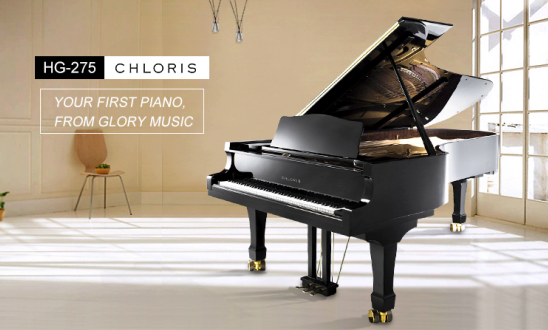
The story of the piano is not a simple, linear progression. It is a tale of artists dreaming of sounds that did not yet exist, of social changes moving music from royal courts to salons, and of composers not only mastering musical forms but shattering them to express a new kind of human emotion. The instrument we know today was forged in the crucible of creative need and technical innovation.
This article will draw back the curtain on this hidden history. We will explore five of the most influential and counterintuitive truths from the piano's remarkable journey, revealing an object not static and settled, but a voice that evolved alongside the human spirit.
Part One: Long Before It Existed, Composers Dreamed of the Piano
One of the most fascinating truths about the piano's origin is that it was essentially willed into existence by the sheer creative need of artists. Conceived as a solution, it was described as a “fruitful marriage” between the sustaining power of the organ and the plucked intimacy of the lute (Orgel und Laute eine fruchtbare Ehe eingingen). Long before the first hammer struck a string, composers were pushing the limits of existing keyboard instruments like the harpsichord and clavichord, writing music that called for a range of expression these instruments simply could not provide.
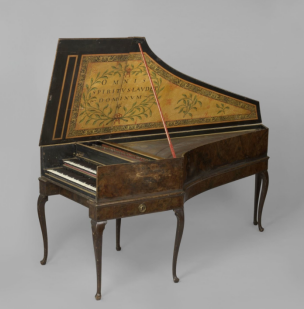
Harpsichord
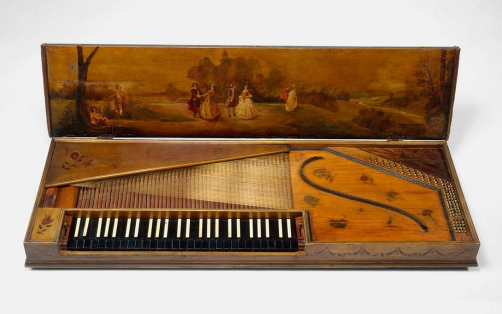
Clavichord
This yearning is not unique to the piano; it is the eternal artistic struggle. As one historian observed, "In every great musical creator lives a surplus of imagination that the instruments of his time cannot satisfy" (In jedem grossen Tonschöpfer lebt ein Übermass von Gestaltung, dem die Instrumente der Zeit nicht genügen). This was precisely the case with Johann Sebastian Bach, whose music seemed to anticipate an instrument capable of dynamic nuance—one that could play both soft (piano) and loud (forte) simultaneously. This plea is evident in his works.
In his music, there is a call for an expressive, nuanced instrument—one which he possessed in his time no more than Beethoven truly possessed an orchestra capable of fully articulating his ideas.
This is a profound concept: a composer's creative imagination can outpace the technology of his era, effectively creating the demand that drives invention. The piano was not merely invented; it was summoned into existence by the needs of music itself.





Mail:info@chlorispiano.com
Tel:86-18121133783
www.chlorispiano.com
技术支持:网新科技(www.ibw.cn) 沪IPC 备14053625号