How does Steinway's cross-stringing technology improve timbre?
May 15, 2026 Mr.Huscher
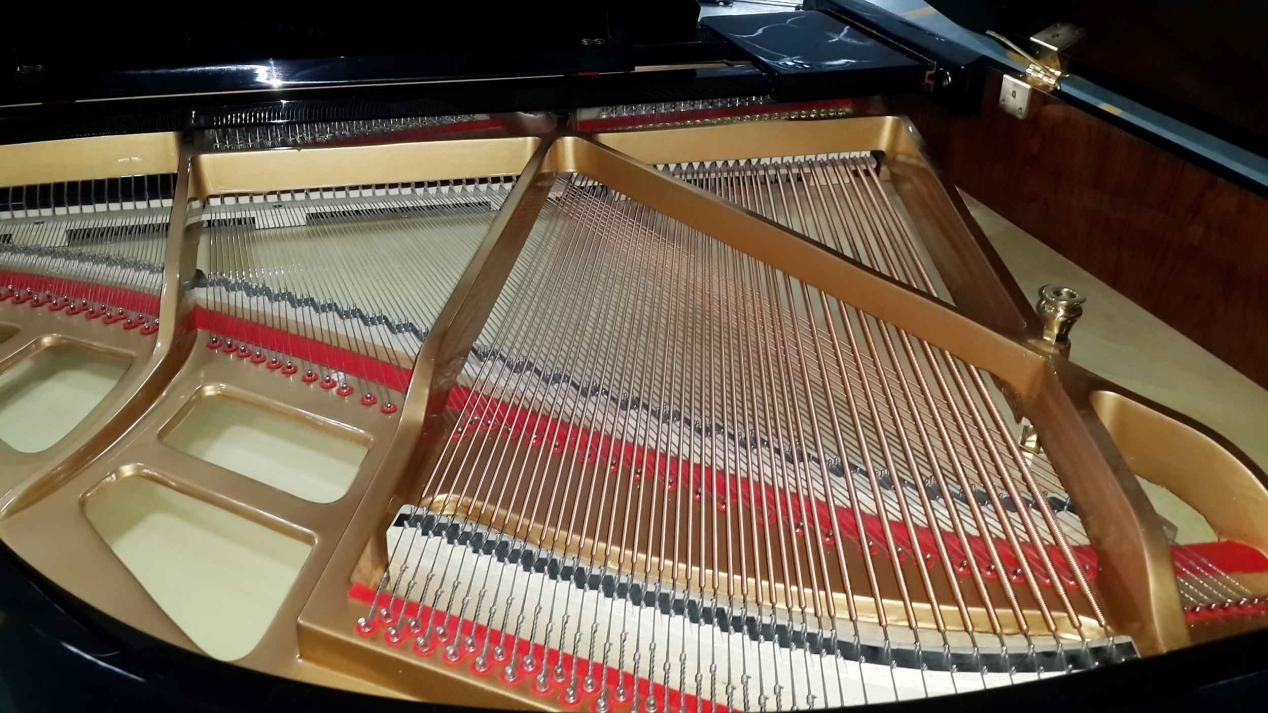
Let's take a look at the key improvements brought about by this technological combination:
Withstanding extreme tension: The combination of cross-stringing with the one-piece cast iron frame, together with the new steel alloy strings developed later (in 1867) by Moritz Pöhlmann, enabled the piano to withstand the utmost string tension. This high tension is the foundation for enhanced timbre and volume.
Balanced timbre across the entire range: Theodore Steinway was the first to apply the emerging science of acoustics to piano manufacturing. Through close correspondence and acoustic research with the acoustician Hermann von Helmholtz, he greatly improved sound quality. This improvement allowed the piano to achieve excellent tonal balance across the entire range (Ausgeglichenheit des Klanges im gesamten Tonumfang).
Greater volume and richer timbre: This technology not only increased the overall volume (Klangvolumen) but also endowed the piano with a more captivating tonal character. The acoustician Helmholtz expressed great satisfaction with the improved timbre, praising its "wonderful sweetness, richness and volume."
The system adopted by Steinway, incorporating cross-stringing (kreuzsaitige Bezug), later became the universal standard for piano manufacturing worldwide.
In 1859, Steinway perfectly combined the one-piece cast iron frame with cross-stringing technology. This technology, along with several other key innovations, definitively established the foundation of the modern piano and was subsequently adopted throughout the industry.





Mail:info@chlorispiano.com
Tel:86-18121133783
www.chlorispiano.com
技术支持:网新科技(www.ibw.cn) 沪IPC 备14053625号